Gas Line Repair in Alvarado, TX
Alvarado is a small Johnson County town with deep roots — a historic downtown, homes that have stood for generations, and ranchland stretching in every direction. Sitting on I-35W just south of Mansfield, it's close to the metro but keeps its own character: town lots with older houses, county acreage with long buried runs, and everything in between. Gas Line Repair Mansfield TX serves Alvarado with gas line repair, installation, leak detection, and inspection for historic homes, town properties, and rural spreads alike.
About this area
Why gas line repair in Alvarado matters
Why we serve here
Alvarado gives us the full small-town range: historic downtown homes with layered renovations, mid-century houses on town lots, and county acreage where gas runs hundreds of feet to reach the house. We diagnose each property on its own terms — mapping old systems, tracing long runs, and building new installations to code.
Small-town gas systems, given full-size attention.
Alvarado sits in northern Johnson County along I-35W, a short drive south of Mansfield. The historic downtown still anchors the town — brick storefronts and homes that date back generations — while US-67 and the interstate have brought steady growth to the edges. It's a town where a 1920s farmhouse and a new subdivision can share a fence line, and the gas line work reflects that mix.
The older homes in and around downtown Alvarado carry the layered history typical of small Texas towns: original piping from the early gas era, additions and appliance swaps across the decades, and the occasional creative repair. These systems deserve a careful survey — mapping what's visible, checking materials and sizing against today's appliance loads, testing shutoffs, and pressure-testing what's buried. What we find determines what needs doing; guesswork has no place in gas work.
Outside the town core, Johnson County acreage brings distance into the equation. Buried service runs stretch across open ground to reach houses, shops, and barns, and every extra foot adds joints and soil exposure. Tracing a leak along a long rural run takes section-by-section pressure testing and electronic detection — the methodical approach that avoids trenching a hundred feet of good pipe to find ten feet of bad.
Like the rest of North Texas, Alvarado sits on clay soil that swells and shrinks with the seasons, working buried joints and meter risers year after year. Between the soil, the age of the housing stock, and the distances on rural properties, periodic inspection is the practical way to stay ahead of problems — especially before a remodel opens walls or a new appliance adds load to an old system.
Services available
Gas line repair services in Alvarado
Historic downtown homes, town lots, and county acreage each need a different approach. Here's how our work breaks down in Alvarado.
Gas Line Repair
Repair in Alvarado ranges from fixing a failed joint in a downtown home's layered system to replacing a section of long buried run on county acreage. We diagnose with pressure testing and electronic detection, excavate only what failed, and install code-compliant replacements verified tight before the gas returns.
Gas Line Installation
New construction on Alvarado's growing edges needs gas service designed from the start: runs sized for the full appliance load, proper depth with tracer wire, and meter placement that makes sense. For existing properties, we add lines for new appliances, extend service to shops and outbuildings, and correct older installations that don't meet code.
Gas Leak Detection
Whether the leak is behind a downtown renovation or somewhere along a three-hundred-foot rural run, detection comes before digging. Electronic detectors pinpoint the failure at joints, valves, and buried sections; pressure testing confirms it. On acreage, that discipline is what keeps a repair surgical instead of sprawling.
How we work locally
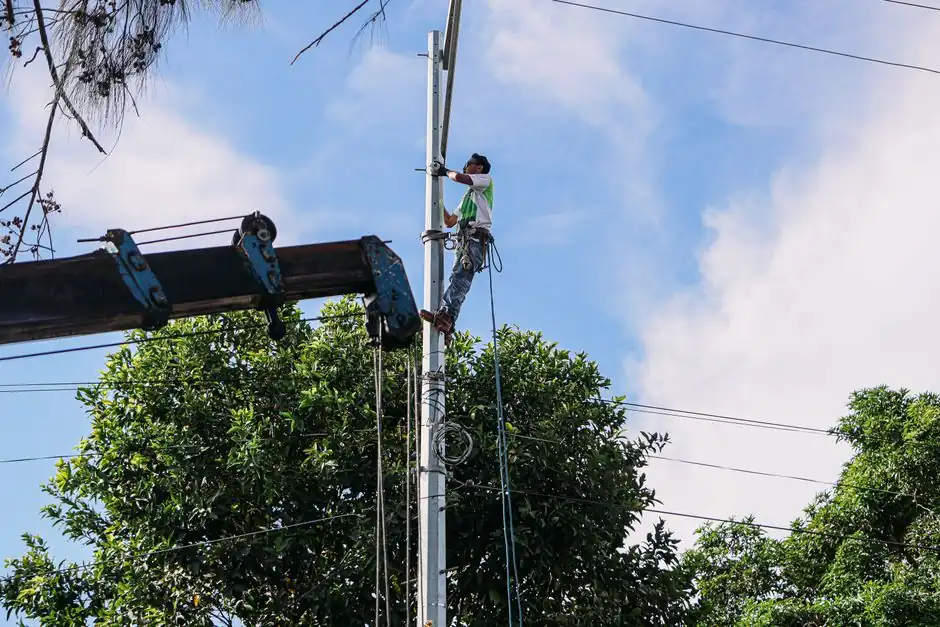
How gas line repair is executed in Alvarado
Challenge: Layered systems in historic homes
Downtown Alvarado's older homes have gas systems built up over generations — mixed materials, remodel tie-ins, and shutoffs hidden behind renovations.
Challenge: Long rural runs on county acreage
County properties run gas long distances underground to reach houses and outbuildings, multiplying joints, soil exposure, and the search area when leaks occur.
Where we work
Case files
Downtown — Historic Home Survey
The owner of a historic home near downtown Alvarado planned a kitchen remodel and wanted the gas system surveyed first — the house had seen additions in at least three different decades.
We mapped the visible piping, checked materials and sizing against the planned appliance load, tested every shutoff, and pressure-tested the system. Two undersized sections and one inaccessible shutoff were corrected before the remodel began.
The remodel started on a verified system, and the owner kept a map showing every section of pipe and shutoff location.
County Acreage — Long Run Leak
A property owner on county acreage south of town noticed a gas odor near the meter. The buried service ran several hundred feet to the house, with a branch feeding a detached shop.
Section-by-section pressure testing isolated the leak to the shop branch, and electronic detection pinpointed a joint stressed by clay soil movement. Only that section was excavated and replaced at proper depth with tracer wire; the full system was retested before sign-off.
The odor was eliminated, the system held pressure, and the documented route will make any future work straightforward.
Field evidence from Alvarado
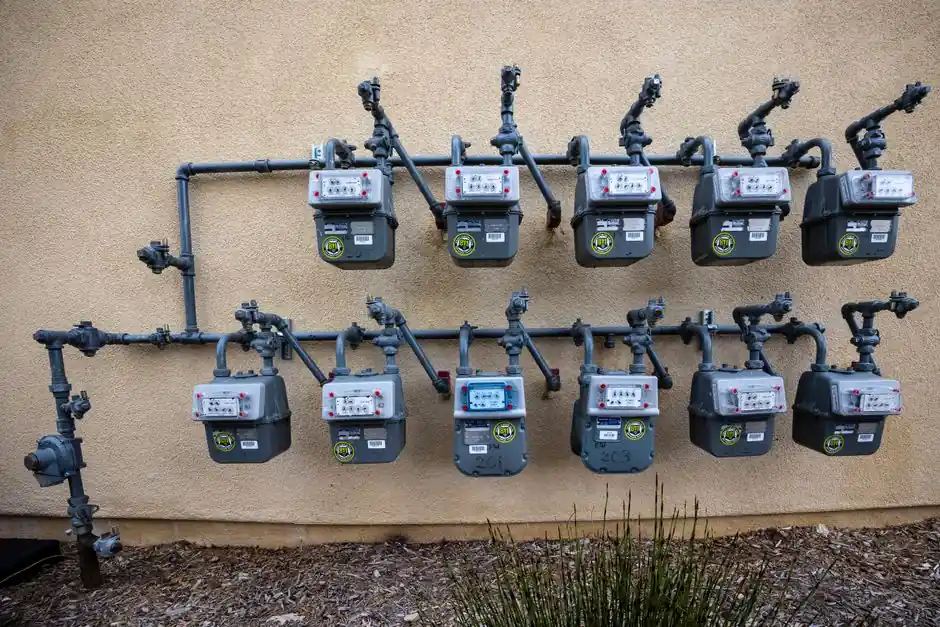
Gas line work for a historic small town
Alvarado rewards patience and method. The historic homes need surveys that respect what earlier generations built while bringing deficient sections up to today's code. The acreage properties need diagnostics that respect distance — pressure testing in sections, electronic tracing, and excavation only where the failure is. Across both, the standard is the same: detection before digging, pressure testing before sign-off, and honest reporting of what we find.
Local questions
My Alvarado home is quite old. Should the gas system be inspected?
If the house has been through multiple remodels or still has original piping, an inspection is sensible. We map the visible system, check pipe materials and sizing against your appliances, test shutoffs, and pressure-test buried sections. You'll get a plain report on what's sound, what bears watching, and what should be brought up to code — and you decide what to do next.
How do you find a leak on a long rural gas run?
Methodically. We divide the run into sections and pressure-test each one to isolate the failing segment, then use electronic detection to pinpoint the exact joint or section. That keeps excavation limited to the failed portion instead of trenching the whole route. We also document the route so future work starts with a map, not a guess.
When should I call for emergency gas service in Alvarado?
Call right away if you smell the rotten-egg odor, hear hissing near the meter or lines, or see dead vegetation tracing a buried run. On a large rural property, note where the odor is strongest. If the smell is strong or inside a building, leave the area, avoid sparks and switches, and call your gas utility or 911 from a safe distance.
What affects the cost of gas line work in Alvarado?
Scope and distance lead the list: the length of the run, how many appliances it feeds, and whether the route crosses driveways, trees, or hard clay. On older homes, the condition of the existing system matters — a single joint repair differs from bringing a layered system up to code. Permits and inspections where required round out the picture. We explain the full scope before work starts.
Safety & compliance
Trust and compliance
For Alvarado projects, the fuel gas provisions of the codes adopted by the local authority set the standard, with the Texas Railroad Commission regulating natural gas utilities and pipeline safety statewide. Every job we do is laid out against the applicable requirements: proper materials and joints, correct line sizing, reachable shutoffs, and pressure testing before the gas goes back on. Permits and inspections are coordinated whenever the scope calls for them. We claim no license or certification we can't show — ask us what governs your project and you'll get a plain answer.
Areas we cover
Signs you need gas line repair in Alvarado
Alvarado's mix of historic homes and rural acreage means gas problems show up in different ways — but the warning signs are the same. Here's what to watch for.
1. Rotten-egg odor around the home or yard
Natural gas is odorless; the sulfur-like smell is added so leaks get noticed. If you smell it near the meter, along a buried run, or inside, call for a professional check.
2. Hissing at meters, valves, or joints
Gas escaping under pressure hisses or whistles. Check around the meter assembly and appliance connections — then leave the fittings alone and call.
3. Dead vegetation tracing a buried line
A strip of brown grass marking your underground service route is a classic sign of a buried leak, often where clay soil movement has stressed a joint.
4. Gas bill climbing without explanation
If usage is steady but the bill rises, gas may be escaping or a connection may be wasting it. An inspection and pressure test will tell the story.
5. Yellow or sooty appliance flames
Gas flames should burn blue and steady. Yellow tips, flickering, or soot buildup point to a fuel or combustion issue worth a professional look.
6. Disturbed ground near the gas service
Fence work, trenching, and farm equipment can strike buried lines on rural properties. If the ground near your service has been disturbed, have the line checked.
Reliable gas line repair in Alvarado
From historic homes near downtown to ranch properties on county acreage, Alvarado's gas systems deserve diagnosis that's as careful as the town is proud. If something smells off, a remodel is planned, or a rural run needs tracing, call — we'll work methodically, to code, and prove it with a pressure test.
Request service