Gas Line Repair in Cedar Hill, TX
Cedar Hill doesn't sit flat like the rest of the Metroplex — it rises. Built along the Austin chalk escarpment, the city rolls over hillsides that drop toward Joe Pool Lake, with Cedar Hill State Park preserving the rugged landscape in between. Sloped lots, shallow rock, and ledge just under the surface make buried gas line work here a different trade than on the prairie. Gas Line Repair Mansfield TX serves Cedar Hill with repair, installation, leak detection, and inspection planned around hillside grades, rock excavation, and the lake-area homes tucked into the terrain.
About this area
Why gas line repair in Cedar Hill matters
Why we serve here
Cedar Hill's hills change everything about gas line work. Trenching hits rock and ledge, sloped lots complicate drainage and pipe bedding, and meter risers on grades need proper support. We plan every job around the terrain — where the rock is, how the lot drains, and how to get a buried line in without fighting the hill.
Hillside gas lines, planned around the rock.
Cedar Hill occupies some of the most distinctive terrain in Dallas County, climbing the Austin chalk escarpment on the county's southwest edge. The hills that give the city its views — and its name — also give gas line work its character: thin soil over limestone ledge, slopes that shed water fast, and lots carved into grades that would be flat anywhere else. Joe Pool Lake fills the valley to the west, and Cedar Hill State Park holds a swath of the escarpment in its natural state.
Rock is the defining challenge. Across much of Cedar Hill, a trench for a buried gas line hits limestone ledge within a foot or two of the surface — sometimes less. That means rock excavation: slower digging, specialized equipment, and careful bedding so the pipe never rests directly on stone. Estimates that assume prairie soil don't survive first contact with the escarpment, which is why we plan the route and the excavation method before committing to a scope.
Sloped lots add their own considerations. Gas service runs on grades need proper bedding and compaction so the trench doesn't become a water channel, meter risers on slopes need solid support, and retaining walls or terracing can limit where a line can reasonably go. Around Joe Pool Lake, older lake-area homes bring aging pipe and original installations into the mix — systems worth inspecting before they become emergencies.
The housing stock splits between established neighborhoods along US-67 and FM 1382 and newer hillside subdivisions with views over the lake. New construction on the slopes needs gas rough-ins designed for the terrain from the start; older homes need diagnosis that respects both the pipe's age and the ground it lies in. Either way, the method holds: electronic detection before excavation, pressure testing before sign-off, and installations built to code rather than to convenience.
Services available
Gas line repair services in Cedar Hill
Hillside grades and shallow rock shape every gas line decision in Cedar Hill. Here's where our work focuses.
Gas Line Repair
Repair on the escarpment usually means one of two things: joints stressed by slope movement and drainage, or buried pipe damaged where rock meets trench. We diagnose with pressure testing and electronic detection, then excavate with the rock in mind — proper bedding, protected pipe, and verified-tight testing before the system returns to service.
Gas Line Installation
Installing gas lines on Cedar Hill's slopes starts with the route: avoiding the worst rock where possible, planning rock excavation where it can't be avoided, and bedding the pipe so it never bears on stone. New homes get systems sized for the full appliance load with meter placement that respects the grade; existing homes get extensions for outdoor living, pool heaters, and fire features.
Gas Leak Detection
Leaks on hillside properties can travel — gas follows the path of least resistance, which on a slope may not be straight up. We trace electronically and confirm with pressure testing, accounting for grade and drainage before deciding where to dig.
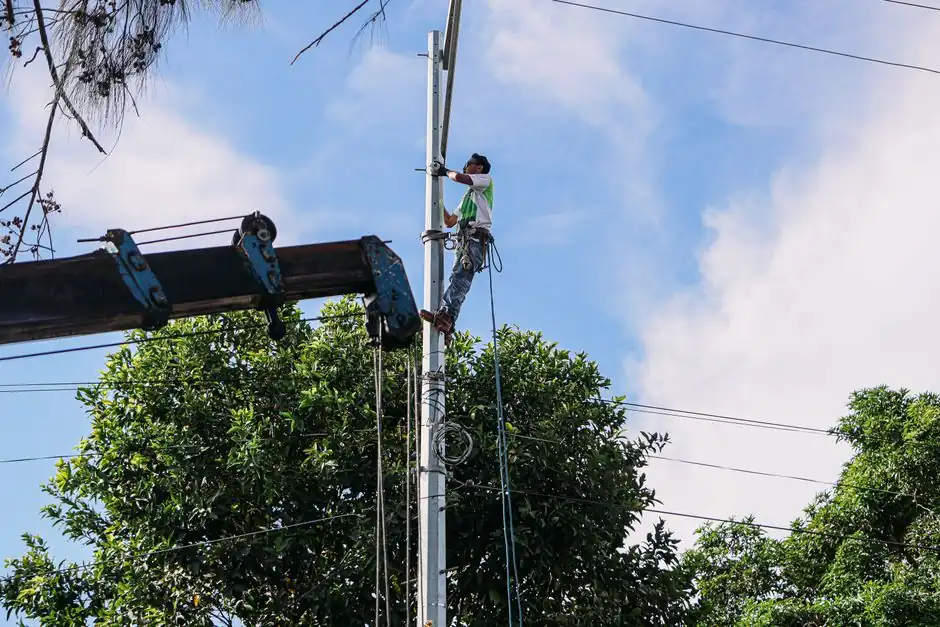
How we work locally
How gas line repair is executed in Cedar Hill
Challenge: Shallow rock and limestone ledge
Across much of Cedar Hill, trenching hits limestone within a foot or two. Rock excavation is slower, needs the right equipment, and demands careful pipe bedding.
Challenge: Sloped lots and drainage
Grades complicate everything: trench stability, pipe bedding, meter riser support, and keeping the trench from becoming a drainage channel.
Where we work
Case files
Hillside Home — Rock Trench Repair
A homeowner on a sloped lot noticed a gas odor near the meter. The buried service crossed a grade where limestone sat just below the surface — and a previous repair had left pipe resting near rock.
We isolated the leak with pressure testing and electronic detection to a joint where slope movement had worked the pipe against stone. We excavated with rock equipment, replaced the section with properly bedded code-compliant pipe, added support at the riser, and verified the system tight before backfilling.
The odor was eliminated, the system held pressure, and the repair was documented with the new bedding and routing noted.
Lake-Area Home — Aging Service Line
The owner of an older home near Joe Pool Lake wanted the aging gas service checked before a kitchen remodel — the original installation dated to the house's construction decades earlier.
We mapped the visible system, checked materials and sizing against the planned appliance load, and pressure-tested the buried service. Two deficient sections were replaced, shutoffs were made accessible, and the full system was verified tight.
The remodel proceeded on a verified system, and the homeowner knew the exact condition of every section of pipe.
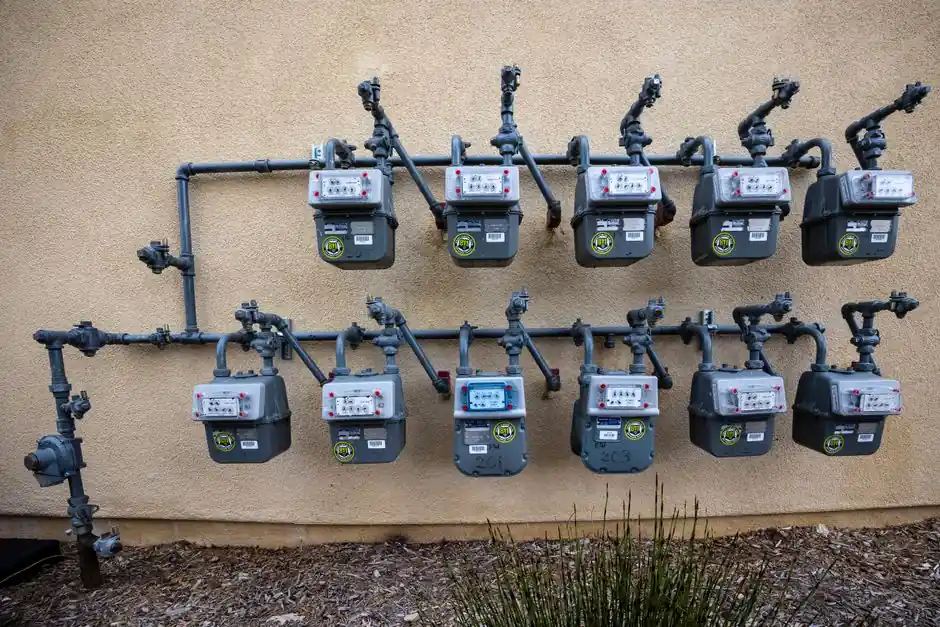
Field evidence from Cedar Hill
Gas line work built for the escarpment
Cedar Hill asks more of a gas line contractor than flat ground does — rock under the shovel, slopes under the pipe, and drainage to respect on every trench. We've learned to plan for the terrain first: route around the worst ledge, excavate rock properly where it can't be avoided, bed pipe so stone never touches it, and support risers on grades. Detection before digging, pressure testing before sign-off — the discipline is the same; the ground just makes it matter more.
Local questions
Why is gas line work different on Cedar Hill's hillsides?
Two reasons: rock and grade. Limestone ledge sits shallow across much of the escarpment, so trenching often means rock excavation rather than simple digging. Slopes complicate bedding, compaction, drainage, and riser support. A contractor who plans for both — with the right equipment and a route designed around the terrain — will give you a straighter answer and a cleaner job.
What does rock excavation mean for my project?
It means the digging phase takes longer and needs appropriate equipment — trenching through limestone isn't shovel work. It also affects cost factors: more labor, equipment time, and careful bedding material so the pipe never rests on stone. We identify where the rock is during planning so the scope reflects reality before work starts.
Should I worry about my meter on a sloped lot?
It's worth a look. Risers on grades take more stress from soil movement and water flow, and supports can loosen over time. During any service visit we check riser condition and support — it's a small check that prevents bigger problems.
What affects the cost of gas line work in Cedar Hill?
Rock is the biggest variable — the more ledge in the route, the more excavation effort. Slope adds labor for safe trenching and proper bedding. Beyond that, the usual factors apply: length of run, number of appliances, and permits or inspections where required. We walk the route, note the rock and grade, and explain the full scope upfront.
Safety & compliance
Trust and compliance
Gas piping in Cedar Hill must satisfy the fuel gas provisions of the locally adopted codes, and the Texas Railroad Commission handles natural gas utility and pipeline safety regulation at the state level. We plan our installations and repairs around the applicable rules — proper materials, correct sizing, accessible shutoffs — and we pressure-test before anything returns to service. Where the job calls for permits or an inspection, we arrange them. We don't advertise licenses or certifications we can't produce; ask what applies to your job and we'll answer honestly.
Areas we cover
Signs you need gas line repair in Cedar Hill
On Cedar Hill's slopes and rocky soil, gas problems can behave unexpectedly — gas follows the path of least resistance downhill. These are the signs to act on.
1. Rotten-egg odor, especially downhill of the line
Natural gas is odorless; the sulfur-like smell is added so leaks get noticed. On a slope, odor may appear downhill from the actual leak — note where it's strongest and call.
2. Hissing at the meter or risers
Gas escaping under pressure hisses. Risers on grades take extra stress from soil and water movement, so check around the meter assembly and any exposed piping.
3. Dead vegetation along the service route
A strip of dying grass tracing your buried line is a classic leak sign. On rocky soil, joints stressed by ground movement are a common cause.
4. Gas bill rising without more usage
If the bill climbs while habits stay the same, gas may be escaping or a connection may be wasting it. Detection and pressure testing will find out.
5. Yellow or flickering appliance flames
Healthy gas flames burn blue and steady. Yellow tips or soot point to a fuel or combustion issue worth a professional look.
6. Exposed pipe after erosion or grading
Heavy rain on slopes can erode cover over buried lines, and grading work can disturb them. If you see pipe where soil used to be, have it checked before covering it back up.
Reliable gas line repair in Cedar Hill
Cedar Hill's hills make gas line work a terrain problem as much as a pipe problem — rock under the trench, grade under the meter, and drainage to respect throughout. If something smells off or a project needs planning around the escarpment, call — we'll diagnose carefully, work to code, and prove it under pressure.
Request service