Gas Line Repair Mansfield TX
Arlington gas line repair

Gas Line Repair in Arlington, TX

Between Dallas and Fort Worth sits Arlington — home to AT&T Stadium, Globe Life Field, and the University of Texas at Arlington — where mid-century ranch homes with aging gas lines stand alongside new master-planned builds. Gas Line Repair Mansfield TX serves Arlington with gas line repair, installation, leak detection, and inspection: careful diagnostics, clear explanations, and code-aware work for older homes, new construction, and local businesses.

Arlington, TX
Local service area
Homes & businesses
Residential and commercial gas lines
Fall maintenance checks
Current season focus

About this area

Why gas line repair in Arlington matters

Why we serve here

Arlington is the largest city between Dallas and Fort Worth, and its housing tells two stories at once. North and central Arlington hold street after street of mid-century ranch homes — many with original or decades-old gas piping, threaded joints, and valves that have been in service since the home was built. South Arlington and the Viridian area keep adding new construction with modern gas systems that still need correct sizing, proper testing, and honest inspection. Add the entertainment district’s restaurants and commercial kitchens along with UTA-area rentals, and you get a city where gas line work is constant. We serve Arlington because that mix — old pipe, new pipe, and heavy commercial use — rewards careful, code-aware work.

Gas line care for Arlington’s mix of mid-century homes, new builds, and busy commercial corridors.

Arlington’s older neighborhoods carry the gas infrastructure of the 1950s through the 1980s: galvanized and black steel pipe, aging shutoff valves, and systems extended piecemeal through decades of remodels. In this ground — North Texas clay that swells and shrinks with the seasons — buried joints take a steady beating, and corrosion finds the weak points first. Meanwhile the city’s growth corridors keep trenching new lines for subdivisions and commercial sites, where grading equipment and new construction are their own hazard to existing buried utilities. Our work in Arlington covers both ends: finding and fixing problems in aging systems, and making sure new installations are sized, routed, and tested correctly from the start.
Services available

Gas line repair services in Arlington

Arlington’s size means we see the full range of gas work here: leak detection in 1960s ranch homes off Cooper Street, new gas lines for kitchens and outdoor living in South Arlington subdivisions, and service for restaurants and businesses around the entertainment district and downtown. Whatever the property, the process is the same — diagnose carefully, explain clearly, repair to code, and pressure-test before anything goes back into service.

How we work locally

How gas line repair is executed in Arlington

Challenge: Aging pipe in mid-century homes

Arlington’s post-war ranch homes often still carry their original gas piping — decades-old steel with corroded threads, worn shutoff valves, and systems extended piecemeal through generations of remodels.

Solution: We pressure-test the system, locate weak points with electronic detection, and replace failing sections and valves with code-compliant materials. Every repair is verified tight before the system goes back into service.

Challenge: Expansive clay and constant construction

North Texas clay swells in wet weather and shrinks in drought, stressing buried gas lines year after year. Add Arlington’s steady construction — new subdivisions, road work, and commercial builds — and buried lines face both ground movement and excavation damage.

Solution: We inspect meter risers and accessible joints for stress and corrosion, repair or replace affected sections with proper depth and protection, and recommend calling 811 before any digging so existing lines get marked first.

Where we work

North ArlingtonSouth ArlingtonWest ArlingtonEast ArlingtonDowntown ArlingtonEntertainment District

Where we work

Arlington

Latitude: 32.7357

Extract Directions

Case files

Illustrative scenario: 1

North Arlington — mid-century ranch home

Challenge

A homeowner in an older North Arlington neighborhood noticed a faint gas odor near the side of the house — the kind of home where the gas piping dated back to the original construction, with threaded joints and a shutoff valve that had not been operated in years.

Execution

Electronic detection and a pressure test traced the odor to a corroded section of buried line where decades of clay-soil movement had stressed an old threaded joint. The failed section was excavated carefully, replaced with code-compliant piping at proper depth, and the meter riser and accessible valves were checked while the system was open.

Impact

The system held pressure cleanly on retest, the odor was eliminated, and the homeowner had a clear picture of the remaining older sections worth watching at future inspections.

Illustrative scenario: 2

Entertainment district — restaurant gas service

Challenge

A restaurant near Arlington’s entertainment district reported uneven gas supply to its kitchen line — burners that would not hold steady during peak service, pointing to a problem in the gas piping rather than the appliances.

Execution

Inspection and pressure testing of the commercial gas run identified a failing valve and an undersized section feeding the expanded kitchen. The valve was replaced, the restricted section was brought up to the correct size for the connected load, and the full run was tested end to end.

Impact

The kitchen line delivered steady pressure through peak service, and the system was documented with a clear record of what was replaced and where it runs.

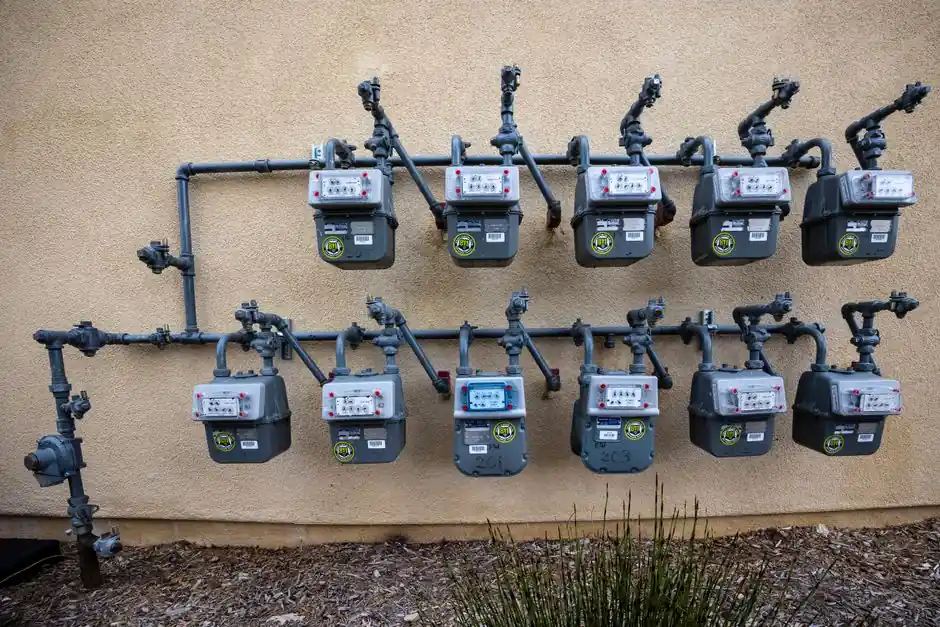
Gas meter and service line on the exterior wall of an Arlington, TX home
Our track record
Our track record

Field evidence from Arlington

Gas line work shaped by Arlington’s housing mix

Working across Arlington keeps bringing us back to the same fundamentals: mid-century homes need their aging pipe and valves inspected honestly, new construction needs correct sizing and real pressure testing, and commercial kitchens need steady, code-compliant supply. We have traced leaks to joints loosened by clay-soil movement in North Arlington, renewed corroded sections in homes older than the stadiums nearby, and verified new installations in South Arlington before the first appliance was connected. Every job follows the same discipline: find the real problem, fix it to code, pressure-test it, and leave the system safer than we found it.

Code-aware
Sized, tested, and documented

Local questions

What gas line problems are common in Arlington’s older homes?

Mid-century ranch homes in North and central Arlington often still carry their original steel gas piping — corroded threads, worn shutoff valves, and systems extended piecemeal through decades of remodels. North Texas clay adds seasonal stress to buried joints. A professional inspection with electronic leak detection and pressure testing finds these problems before they become emergencies.

Do you work on commercial gas lines in Arlington?

Yes. Restaurants and businesses around the entertainment district, downtown, and the commercial corridors rely on steady gas supply. We inspect commercial gas runs end to end, right-size piping for the connected load, replace failing valves and sections, and verify the system holds pressure — with clear documentation of the work.

When should I call for emergency gas line help in Arlington?

Treat any gas odor, hissing near the meter or lines, or suddenly dying vegetation along a buried line’s path as urgent — in Arlington’s mid-century neighborhoods, aging valves and clay-stressed joints make even small leaks worth fast attention. If the odor is strong or inside the home, leave the building, avoid anything that could spark, and call your gas utility or 911 from a safe distance first. For a faint outdoor odor, call us and we will investigate with detection equipment.

What affects the cost of gas line work in Arlington?

The scope of the repair, the length and location of the line, how accessible it is, and the condition of the existing piping — in Arlington’s mid-century homes, original steel pipe often means replacing a run rather than patching a joint — plus permit and inspection requirements, and whether the work is scheduled or urgent. An on-site assessment is the only honest way to price a specific job — be cautious of anyone quoting a price without seeing the work.

Licensed & insured

Trust and compliance

Gas line work in Texas sits under real safety rules, and Arlington is no exception. Most gas line repairs and installations require permits through the city, with inspections to confirm the work meets the fuel-gas code before a system goes back into service. In Texas, gas pipeline safety falls under the Railroad Commission of Texas, which sets standards for how gas systems are installed and maintained. We plan every job around those requirements — permits pulled where the scope requires them, pressure testing before backfill or concealment, and clear documentation of what was done. If you are comparing contractors, ask each one how they handle permits and inspections: the answer tells you a lot about how the work will be done.

Permits & inspections Handled to local requirements
Pressure testing Verified tight before backfill
Texas gas safety rules Work planned around Railroad Commission standards

Areas we cover

When To Call

Signs you need gas line repair in Arlington

Arlington’s mix of mid-century homes and new construction means gas line trouble shows up in different ways across the city. If you notice any of the following, arrange a professional inspection — early calls keep small problems small.

1. Unusual gas odors in your home

If you smell the rotten-egg odor of mercaptan, it could indicate a leak — especially near the meter, along a buried line’s path, or inside the home. Treat it as urgent.

2. Increased utility bills

A sudden rise in your gas bill with no change in usage may suggest a leak or an inefficient connection, particularly in an older Arlington home — worth a professional inspection.

3. Hissing or whistling sounds

Hissing or whistling near lines, valves, or the meter can indicate gas escaping under pressure. Do not try to tighten anything yourself; gas connections need proper tools and testing.

4. Dead vegetation near gas lines

A strip of dying vegetation tracing the path of a buried line — in an otherwise healthy yard — can signal an underground leak displacing oxygen in the soil.

5. Flames burning yellow instead of blue

Gas appliances should burn with a steady blue flame. Yellow tips, flickering, or soot around burners can signal a supply or combustion problem worth having checked.

Local Problem Patterns

Common gas line repair problems in Arlington

Arlington’s housing mix and clay soil produce a recognizable set of gas line issues. Here are the patterns we see most often across the city.

Corroded pipe in mid-century homes

Why it happens here

Arlington’s post-war homes often still carry original steel gas piping. Decades of age plus seasonal clay movement corrode threads and stress joints, and leaks follow.

Our approach

We locate the compromised sections with detection and pressure testing, then replace them with code-compliant materials — and flag the remaining older pipe worth watching.

Outdated or non-compliant installations

Why it happens here

Some older Arlington properties were piped before current codes, or extended piecemeal through remodels without proper sizing or protection.

Our approach

We assess the existing installation against current requirements and bring it up to standard — correct sizing, proper materials, and verified testing.

Worn shutoff valves

Why it happens here

Shutoff valves that have sat untouched for decades can seize or leak — a real problem when you need to isolate the system quickly.

Our approach

We replace failing valves with reliable, code-compliant options and confirm every valve operates freely before we leave.

Pressure and flow problems

Why it happens here

Corrosion scale, debris, or a failing regulator can restrict flow — showing up as weak burners or appliances that will not stay lit.

Our approach

We diagnose the restriction with pressure readings, correct the cause, and verify full, steady flow to every affected appliance.

Our process

What to expect when you call

4 steps

Every service call

1
Assessment

We start by listening: what you smell, hear, or notice around the property. Then we inspect the system methodically — electronic leak detection at joints and valves, a look at exposed piping and the meter riser, and pressure testing to map the full extent of the problem before recommending anything.

Diagnosis before recommendations

2
Clear scope

You get a plain-language explanation of what is wrong, what needs to happen to fix it, and what it involves — the sections being replaced, the materials, and how the work will be verified. No vague promises and no pressure; you decide how to proceed with the full picture in front of you.

You approve the work first

3
Repair & testing

The repair is done to the fuel-gas code requirements that apply locally, with permits and inspections coordinated where the scope requires them. Before anything goes back into service, the system is pressure-tested, every affected appliance is relit and checked, and the work area is left clean.

Tested, relit, and cleaned up

Local Pricing

What affects the cost of gas line repair in Arlington

There is no single price for gas line work in Arlington, because no two jobs are the same. A short exposed-pipe repair and a long buried-line replacement are different jobs with different demands. What shapes the cost is the scope of the work: how much pipe is involved, where it runs, how accessible it is, and what condition the existing system is in. Materials matter too — code-compliant pipe, valves, and fittings — as do permits and inspections, the number of appliances that need relighting and checking, and whether the work is scheduled in advance or needed urgently. We diagnose first and explain the work in plain terms before anything begins, so you know exactly what you are paying for and why.

Scheduling in Arlington: We serve homes and businesses across Arlington with scheduled appointments for inspections, repairs, and installations. If you smell gas or suspect a leak, treat it as urgent — leave the area if the odor is strong and call your gas utility or 911 from a safe distance first.

1

Scope of work

The length of the run, how much of it needs repair or replacement, and whether it is exposed or buried all shape the job. Longer buried runs take more labor and restoration than short, accessible repairs.

2

Materials used

Code-compliant pipe, valves, and fittings are what keep a repair safe for decades. The right material for the location matters more than the cheapest option.

3

Access, permits & timing

Lines under slabs, decks, or mature landscaping take more work to reach. Permits and inspections add process where the scope requires them, and urgent calls carry different logistics than scheduled work.

Year-Round Coverage

How seasons affect gas line repair in Arlington

Arlington’s weather presses on gas systems all year — spring storms, summer heat, fall maintenance season, and the occasional hard freeze. Here is how each season affects local gas lines.

Spring

Spring storms saturate Arlington’s clay and shift ground around buried lines, stressing joints — especially where soil was recently disturbed.

Tip

After storm season, walk your Arlington property for new erosion or settling along the line’s route — mature landscaping can hide disturbed soil. Arrange an inspection if anything looks off.

Summer

Summer heat bakes the clay hard and drives outdoor gas use — grills, outdoor kitchens, and pool heaters all running at once on systems sized years ago.

Tip

If Arlington’s outdoor appliances falter when everything runs together, have the system’s sizing checked before adding anything new.

Fall

Fall is Arlington’s maintenance window: milder weather and the right moment to inspect the system before winter heating demand arrives.

Tip

A fall inspection — joints, valves, appliance connections, and the meter riser — gets Arlington gas systems ready for the heating season ahead.

Winter

Hard freezes are occasional in Arlington but real — and they find every weak point. Frozen ground can shift shallow lines and stiffen old valves.

Tip

Know where your Arlington home’s main gas shutoff is before a freeze arrives, and confirm it actually turns — not during the next cold snap.

Hiring Smart

Questions to ask before hiring gas line repair in Arlington

When hiring a gas line repair contractor in Arlington, asking the right questions can help you find a reliable service provider. Here are some key inquiries to make.

  1. 1

    "What licenses and certifications do you hold?"

    Why it matters

    This reveals the contractor's qualifications and adherence to local regulations, ensuring safe service.

  2. 2

    "Can you provide references from past clients?"

    Why it matters

    References help gauge the contractor's reliability and quality of work based on real experiences.

  3. 3

    "What is your warranty policy?"

    Why it matters

    A solid warranty indicates confidence in the work and provides peace of mind for the homeowner.

  4. 4

    "How do you handle emergency repairs?"

    Why it matters

    Understanding their emergency response process ensures you know what to expect in urgent situations.

  5. 5

    "What types of materials do you use?"

    Why it matters

    The quality of materials can significantly affect the longevity and safety of the gas line installations.

Knowing the Area

Landmarks and points of interest in Arlington

Our service routes through Arlington follow the city’s familiar geography — the entertainment district, the university corridor, and the neighborhoods in between. These are the landmarks we navigate by.

Landmarks

  • AT&T Stadium

    The Cowboys’ home anchors the entertainment district, surrounded by restaurants and commercial properties with hard-working gas systems.

  • Globe Life Field

    The Rangers’ ballpark sits in the same district, where game-day crowds keep nearby kitchens busy.

  • University of Texas at Arlington

    The UTA campus shapes the surrounding neighborhoods, with rental properties and older homes that see steady gas service needs.

Commercial Districts

  • Entertainment District

    Texas Live!, restaurants, and hotels around the stadiums depend on reliable commercial gas service.

  • Downtown Arlington & the Urban Union

    Shops and eateries in the downtown core, many in older buildings with legacy gas systems worth a professional look.

Transport & Access

  • I-20 & I-30

    The two interstates frame the city and form the spine of our service routes across Arlington.

  • SH 360 & Cooper Street

    The north-south corridors connecting North and South Arlington neighborhoods we serve daily.

Nearby cities served from Arlington

From Arlington, we extend the same careful gas line work to nearby cities across the metroplex.

Service Area

Gas line repair coverage across Arlington & Tarrant County

Scheduled appointments for residents and businesses across Tarrant County, including the ZIP code below.

76010
!

Reliable gas line repair in Arlington

From mid-century ranch homes to new South Arlington builds and busy commercial kitchens, Arlington’s gas systems need work that is careful and code-aware. If something does not smell — or sound — right, call us and we will find the problem and fix it properly.

Request service
Call Now: (817) 285-5071