Gas Line Repair in Broad Street, Mansfield, TX
Broad Street is Mansfield in transition — the corridor just east of downtown where 1950s and 60s ranch homes stand next to brand-new infill builds, and older commercial frontage shares the block with new businesses. That mix is exactly what makes gas work here tricky: legacy service lines from another era running beside brand-new installations, and construction equipment digging within feet of pipe laid decades ago. Gas Line Repair Mansfield TX serves the Broad Street corridor with gas line repair, installation, leak detection, and inspection — careful diagnostics and code-aware work for transitional blocks where old and new gas systems meet.
About this area
Why gas line repair on Broad Street matters
Why we serve here
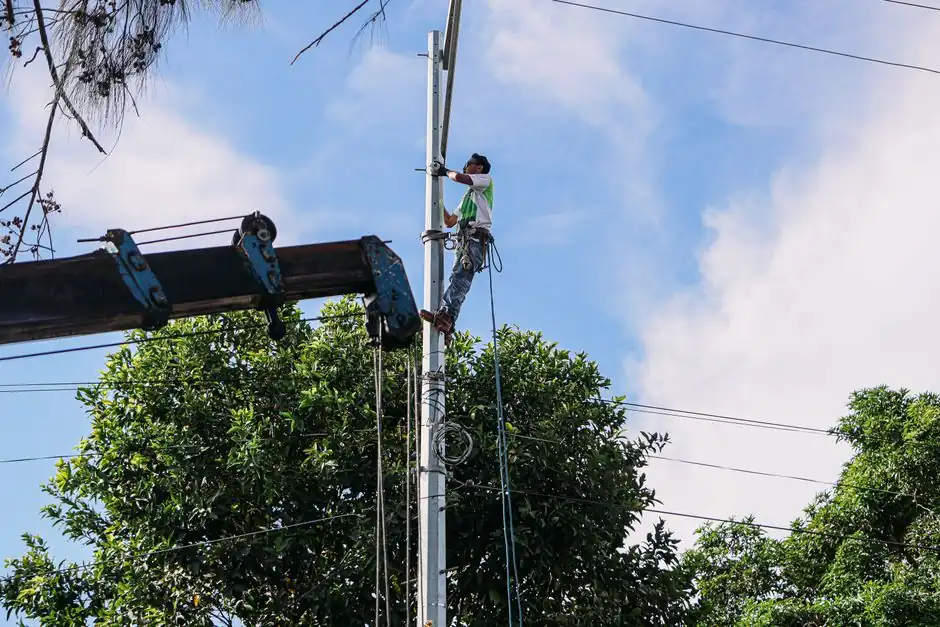
Broad Street’s story is Mansfield’s growth story in miniature. The corridor’s older homes — ranches and cottages from the post-war decades — were piped when the area was still on the edge of town: steel service lines, threaded joints, and meters set where they were convenient then, not where code would put them now. Then the corridor changed. Infill builders bought lots between the old houses, commercial frontage intensified, and every new project brought trenchers, grading equipment, and new gas installations within feet of legacy lines that were never mapped precisely. The result is a corridor where gas infrastructure spans sixty years on a single block — and where the newest work and the oldest work have to coexist safely.
Transitional corridor gas lines: where legacy pipe meets new construction.
The defining feature of Broad Street is adjacency — old next to new, residential next to commercial, original next to retrofitted. A 1960s ranch home can share a property line with a house built last year, which means a corroded steel service line can run a few feet from a brand-new polyethylene main extension. That proximity creates risks that neither old neighborhoods nor new subdivisions face on their own: excavation for a new driveway striking an unmarked legacy line, a new home’s gas demand revealing that the shared service infrastructure is undersized, or a remodel tying modern appliances into piping installed before current sizing rules existed.
Infill construction is the corridor’s constant background noise, and it is the leading external threat to buried gas lines here. Every new build, parking pad, or utility trench near an older home is a chance for equipment to find a line that predates accurate records. Before any digging on Broad Street — even a fence post or a small addition — calling 811 (Texas811) so buried utilities get marked is not optional caution; on a corridor with sixty years of undocumented pipe in the ground, it is the single most important safety step a property owner can take.
The commercial-residential mix adds its own layer. Older commercial buildings along the Broad Street frontage — auto shops, small restaurants, service businesses — often run on legacy gas systems sized for the businesses that were there decades ago, not the ones there now. Kitchens expand, equipment gets added, and the gas piping quietly becomes the bottleneck: undersized runs, tired valves, and regulators working harder than they were designed for. We see it as uneven appliance performance, pilot problems, and pressure that drops when everything fires at once.
Underneath it all is the same North Texas clay that moves everything. Expansive soil swells and shrinks with the seasons, working every buried joint on the corridor — old steel and new plastic alike. The difference is that on Broad Street, the movement stresses connections between eras: transition fittings where new pipe meets old, meter risers reset during remodels, and service lines that have been spliced, extended, and rerouted as the corridor changed around them.
Services available
Gas line repair services on Broad Street
The corridor’s transitional character shapes every service call. We trace leaks where infill grading may have disturbed a legacy line, replace aging steel services on blocks now dominated by new construction, install new gas runs for remodels and additions that tie into older systems, and right-size commercial gas piping for Broad Street businesses whose loads outgrew their original installations. Diagnosis first, plain explanation second, code-compliant repair third — verified with pressure testing before anything goes back into service.
Gas Line Repair
Repair on a transitional corridor usually means sorting out which era failed: a corroded joint in the original steel service, a transition fitting where new meets old, or damage from nearby construction that nicked a line nobody knew was there. We trace the failure with electronic detection, confirm with pressure testing, and replace the compromised section with code-compliant materials — then check the rest of the run, because on Broad Street the next weak point is rarely far away.
Gas Line Installation
Installing gas lines on Broad Street starts with the route: threading new pipe between legacy services, avoiding unmarked lines, and tying into older systems without inheriting their problems. Whether it is a gas range in a remodeled ranch, a tankless water heater in an infill build, or an outdoor kitchen behind a 1970s cottage, we size for the real appliance load, route to code, and pressure-test before anything is connected.
Gas Leak Detection
Leaks on a transitional corridor can be deceptive — gas follows the path of least resistance, which near new construction may be a fresh trench or disturbed soil rather than the line’s original path. We use electronic detection to pinpoint the source rather than chasing symptoms, then verify with pressure testing to map the full extent. If construction activity is nearby, we also check for mechanical damage — the corridor’s most common cause of sudden leaks.
How we work locally
How gas line repair is executed on Broad Street
Challenge: Infill construction next to legacy service lines
New driveways, additions, and utility trenches go in within feet of steel service lines laid decades ago — lines that were never mapped with modern precision. One careless bucket can strike a legacy line nobody remembered.
Challenge: Mixed pipe materials block by block
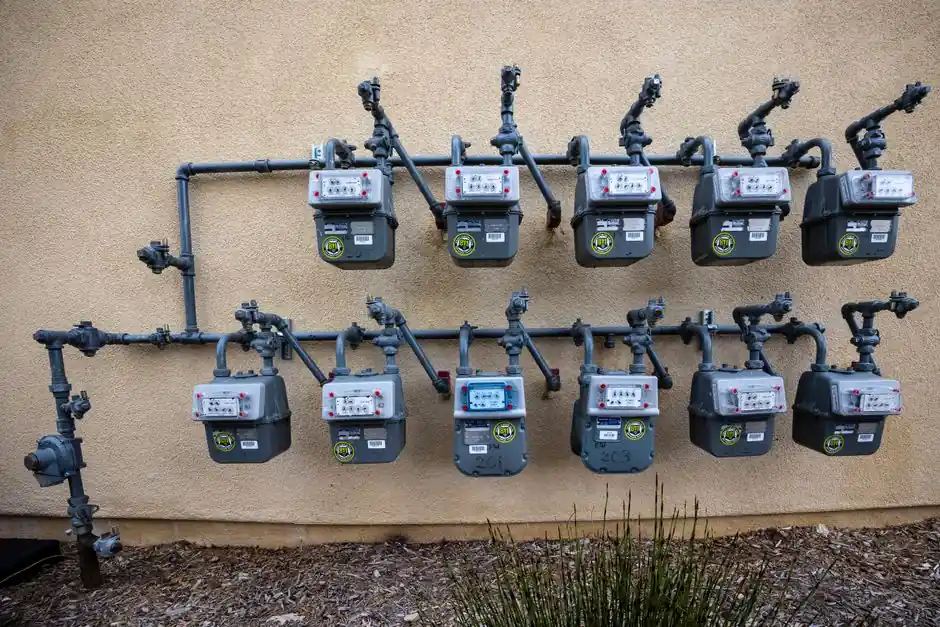
A single Broad Street block can hold original steel, copper-era replacements, and modern polyethylene or CSST — joined by transition fittings installed across decades, each aging at its own rate and each with its own failure modes.
Where we work
Case files
Corridor home — infill-adjacent service line
A homeowner in an older ranch house noticed a gas odor near the side yard shortly after a neighboring lot was graded for new construction. The home’s original steel service line ran close to the property line — exactly where the grading equipment had been working.
We isolated the system and used electronic detection plus pressure testing to find the failure: a section of the legacy service line damaged where the neighboring grade work had disturbed the soil around it. The compromised section was excavated, replaced with code-compliant piping at proper depth, and the remainder of the run was inspected for similar stress.
The odor was eliminated and the system held pressure on retest. The homeowner also got a clear record of the renewed section and a reminder that any future digging near the line starts with a call to 811.
Broad Street shop — commercial frontage gas line
The owner of an older commercial building on the Broad Street frontage reported uneven gas supply — equipment that would not hold steady during busy periods, pointing to a supply problem in the building’s legacy piping rather than the equipment itself.
We mapped the visible system and checked materials and sizing against the actual connected load, then pressure-tested the run. The diagnosis: an undersized section feeding the expanded operation and a tired shutoff valve. The restricted section was brought up to the correct size, the valve was replaced, and the full run was verified end to end.
The supply ran steady after the repair, and the owner had a documented record of the renewed sections — useful for future equipment changes and for the building’s permit history.
Field evidence from Broad Street
Gas line work for a transitional corridor
Broad Street keeps teaching the same lesson: on a transitional corridor, you cannot assume the gas system matches any single era. We have traced leaks to legacy joints stressed by neighboring construction, renewed steel services on blocks now lined with infill homes, and right-sized commercial runs for businesses whose gas loads tripled while their piping stayed the same. The discipline never changes — find the real failure with instruments, fix it to code, prove it tight with pressure testing — but the detective work here runs deeper, because every block holds sixty years of overlapping infrastructure.
Local questions
Why is gas line work different on a transitional corridor like Broad Street?
Two reasons: adjacency and undocumented history. Old and new gas systems share the same blocks, so failures happen at the boundaries — transition fittings, disturbed soil, lines nobody mapped. And decades of remodels, additions, and infill mean the paper record rarely matches what is actually in the ground. Methodical detection and mapping matter more here than on uniform blocks.
Should I call 811 before digging on Broad Street?
Yes — always, even for small projects. Texas811 marks buried utilities so you can dig safely, and on a corridor with sixty years of legacy pipe in the ground, some of it unmapped, that call is the most important safety step before any excavation. It is free, it is the law before digging, and it protects both your project and your neighbors’ gas service.
My block has old homes and new builds — does that matter for my gas line?
It can. Shared infrastructure may be undersized for today’s combined loads, construction nearby can disturb legacy lines, and your own system may tie new work into old piping at transition points that deserve inspection. If your home is the older one on a changing block, a professional inspection with leak detection and pressure testing is the honest way to know where you stand.
What affects the cost of gas line work on Broad Street?
The scope of the repair, how much of the line is legacy material versus newer pipe, how accessible the run is, and whether nearby construction complicates the excavation — plus permit and inspection requirements and whether the work is scheduled or urgent. An on-site assessment is the only honest way to price a specific job; be cautious of anyone quoting a price without seeing the work.
Safety & compliance
Trust and compliance
Gas piping on the Broad Street corridor must satisfy the fuel gas provisions of the locally adopted codes, and the Railroad Commission of Texas sets the statewide standards for gas system safety. Most repairs and installations need city permits with inspections before the system returns to service. We plan every job around those requirements — permits where the scope requires them, pressure testing before backfill, and clear documentation. If you are comparing contractors, ask each one how they handle permits and inspections.
Areas we cover
Signs you need gas line repair on Broad Street
On a corridor where old and new infrastructure share the same ground, gas problems can show up in unexpected ways — sometimes at the boundary between eras. If you notice any of the following, arrange a professional inspection; early calls keep small problems small.
1. Rotten-egg odor, especially near construction
Natural gas is odorless; the sulfur-like smell is added so leaks get noticed. On Broad Street, take odors near recent grading, trenching, or new construction especially seriously — disturbed soil and legacy lines are a risky combination.
2. Hissing at the meter or risers
Gas escaping under pressure hisses. On a transitional corridor, check risers and exposed piping after nearby construction activity — vibration and soil disturbance can stress connections that were fine for decades.
3. Dead vegetation along the service route
A strip of dying grass tracing your buried line is a classic leak sign. Where new grading meets old trenches, the leak’s surface evidence may appear offset from the actual line — another reason professional detection matters.
4. Gas bill rising without more usage
If the bill climbs while habits stay the same, gas may be escaping or a connection may be wasting it. On the corridor, slow leaks at aging transition fittings are a common culprit.
5. Yellow or flickering appliance flames
Healthy gas flames burn blue and steady. Yellow tips or soot point to a fuel or combustion issue — on Broad Street, often a sign the system is undersized for the current appliance load after years of additions.
6. Exposed pipe after grading or construction
Grading and trenching near new builds can strip cover off legacy lines or leave them shallower than code allows. If you see pipe where soil used to be, keep clear and call for a professional assessment.
Reliable gas line repair on Broad Street, Mansfield
Broad Street’s corridor keeps changing — old homes renewed, new builds rising between them, businesses turning over — and its gas infrastructure has to keep up safely. From legacy steel services to modern infill installations, we diagnose carefully, repair to code, and prove every job tight. If something does not smell — or sound — right, call us and we will find the problem and fix it properly.
Request service