Gas Line Repair in Elizabeth Street, Mansfield, TX
Elizabeth Street is one of Mansfield’s older residential streets, set near historic downtown under mature trees and among homes that have stood for decades. Many of those homes still run on their original gas piping — black steel lines with threaded joints, aging shutoff valves, and meter risers that have ridden out years of North Texas clay-soil movement. That combination — vintage plumbing, decades of ground shift, and systems extended piecemeal over the years — defines the gas line work here. Gas Line Repair Mansfield TX serves Elizabeth Street with repair, installation, leak detection, and inspection tuned to older homes and the original piping inside them.
About this area
Why gas line repair in Elizabeth Street matters
Why we serve here
Elizabeth Street sits close to historic downtown Mansfield, in a pocket of the city where the homes came first and the subdivisions came later. The gas systems here are original-era work: steel pipe, threaded fittings, and valves installed when the houses were built. We specialize in exactly that — diagnosing aging lines with pressure testing and electronic detection, renewing failing sections, replacing worn valves, and bringing older systems up to the standard the fuel gas code expects today.
Original pipes, threaded joints, and decades of clay-soil movement.
Elizabeth Street runs through one of Mansfield’s established residential areas near downtown, where the housing stock predates the city’s big growth waves. The homes here went up when gas piping meant threaded black steel run by hand, fittings doped and wrenched tight, and shutoff valves that were expected to last the life of the house. Many of those original installations are still in service — which is a testament to the material, and also the reason this street keeps us busy. Steel lasts, but joints work loose, valves wear, and exterior runs corrode where they meet soil and weather.
The signature issue on Elizabeth Street is the aging threaded joint. Every connection in an original steel system is a threaded fitting, and each one has spent decades expanding and contracting with temperature swings while the ground around it heaves with North Texas clay. Foundation movement — common in this soil — transmits stress straight into rigid pipe, and the joints are where that stress concentrates. A joint that was tight in 1975 can weep gas in 2026. We find these with methodical pressure testing and electronic detection, then renew the failing sections rather than chasing symptoms.
Shutoff valves are the second vintage weak point. The original valves on Elizabeth Street homes were built for an era of occasional use, and after decades of sitting — or being forced by a homeowner who needed the gas off in a hurry — many no longer seal reliably. A valve that won’t fully close is a safety problem, not a maintenance footnote. Valve replacement is one of the most common jobs we do on this street: isolating the run, cutting out the worn valve, and installing a current-pattern shutoff that operates smoothly and seals tight, verified with a pressure test before the gas goes back on.
Decades of home improvement have layered complexity onto these original systems. Kitchens remodeled, water heaters upgraded, gas dryers added, outdoor grills and fire features tied in — each project extended the gas system a little further, sometimes with proper sizing and support, sometimes not. We regularly find undersized branches feeding new appliances, long unsupported runs in attics and crawl spaces, and sediment traps that were never installed. When we touch a vintage system, we check the whole picture: routing, support, sizing against the connected load, and shutoff placement.
A service visit on Elizabeth Street starts with listening — what you’ve noticed, what changed, and how old the system is — then moves to testing. Pressure testing tells us whether the system holds; electronic detection pinpoints where it doesn’t. If digging is needed, we call Texas811 before a shovel hits the ground, and we keep you clear on the division of responsibility: Atmos Energy owns the service up to the meter, and everything on the house side — the yard line, risers, and interior piping — is the homeowner’s to maintain. That house-side piping is our territory, and on this street we know it well.
Services available
Gas line repair services in Elizabeth Street
Older homes on Elizabeth Street need a different playbook than new construction — diagnosis first, renewal where it counts, and upgrades that respect the original system. Here’s how the work breaks down.
Gas Line Repair
Repair on Elizabeth Street usually means renewing what age and soil movement have worn out: leaking threaded joints, corroded exterior runs, and shutoff valves that no longer seal. We diagnose with pressure testing and electronic detection, replace only the failing sections, and verify every repair holds before we leave.
Gas Line Installation
Older homes get new gas demands all the time — a remodeled kitchen with a gas range, a tankless water heater, a dryer conversion, or an outdoor living upgrade. We size new runs for the full appliance load, route them cleanly through vintage framing, and tie into the existing system without disturbing what still works.
Gas Leak Detection
On a street of original piping, small leaks hide well. We trace them with electronic detection and section-by-section pressure testing — from the meter riser through the yard line to every interior branch — so the repair targets the actual failure instead of the most obvious suspect.
How we work locally
How gas line repair is executed in Elizabeth Street
Challenge: Aging original piping and threaded joints
Elizabeth Street’s gas systems were built with threaded black steel, and after decades of thermal cycling and ground movement, those joints are the likeliest leak points in the house. Corrosion at grade and worn packing in old valves add to the failure list.
Challenge: Clay soil shifting vintage foundations
North Texas expansive clay swells when wet and shrinks in drought, and Elizabeth Street’s older foundations have ridden that cycle for decades. Rigid original gas lines — especially meter risers and yard services — absorb that movement at their joints.
Where we work
Case files
Vintage Home — Original Line Renewal
A homeowner on an older street near downtown planned a kitchen upgrade to a gas range and asked us to check the original steel gas line first. The system had threaded joints throughout and a shutoff valve that would no longer close fully.
We pressure-tested the existing system and found two joints weeping at the water-heater branch. We renewed the failing sections, replaced the worn shutoff valve, verified sizing for the new range, and tied in the appliance connection with a fresh sediment trap and leak checks at every joint.
The original system kept its sound sections, the weak points were renewed, and the new range went in on a gas line the homeowner could trust — documented with test results.
Foundation Shift — Riser Leak After Clay Movement
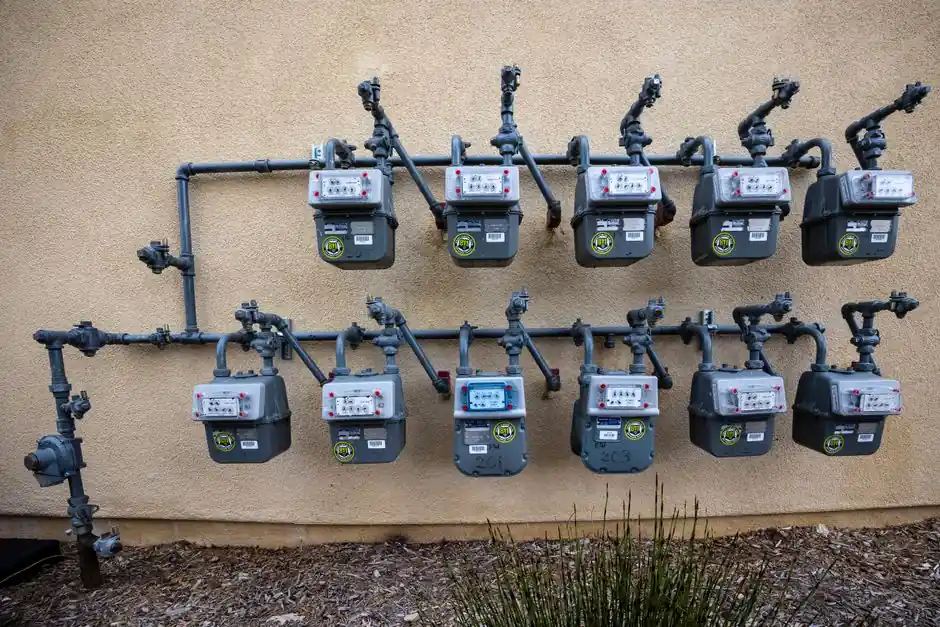
After a wet spring followed a dry winter, a homeowner noticed a faint gas odor near the meter on the side of the house. The meter riser — original to the home — had taken years of soil movement, and the joint at grade had started to weep.
We isolated the riser, confirmed the leak location with electronic detection, and renewed the riser assembly with proper depth, bedding, and a flexible transition to absorb future ground movement. The full house-side system was pressure-tested before service was restored.
The odor was gone, the system held pressure, and the renewed riser was built to ride out the clay cycle instead of fighting it.
Field evidence from Elizabeth Street
Gas line work on an established street
Elizabeth Street rewards contractors who respect vintage systems and diagnose before they cut. Original threaded steel can keep serving for years when its weak points — joints, valves, risers — are found and renewed, and it fails expensively when leaks get chased by guesswork. Our approach here is consistent: test first, pinpoint the failure, renew what’s worn, and verify everything holds. Older homes deserve gas work that understands how they were built.
Local questions
My Elizabeth Street home still has its original gas line. Does it need to be replaced?
Not necessarily — original steel pipe itself is durable, and many original systems are still sound. What needs attention are the wear points: threaded joints, shutoff valves, and exterior runs exposed to soil and weather. A pressure test and inspection tell us whether the system holds or whether specific sections need renewal. We replace what’s failing, not what’s merely old.
What are threaded joints, and why do they cause problems in older homes?
Threaded joints are how vintage steel gas pipe was connected — pipe ends were threaded and screwed into fittings with joint compound. They seal well when new, but decades of temperature change, vibration, and foundation movement from expansive clay work them loose. A loosened threaded joint weeps gas slowly, which is why older systems benefit from periodic pressure testing.
How does North Texas clay soil affect the gas lines on an older street?
Expansive clay swells when wet and shrinks during drought, and that cycle moves foundations, sidewalks, and soil around buried pipe. Rigid vintage gas lines — especially meter risers and the yard service — take that stress at their joints and transitions. Renewed exterior work should include proper depth, bedding, and flexibility where movement concentrates.
What affects the cost of gas line work on Elizabeth Street?
The scope of work leads: how much pipe needs renewal, how many joints and valves are involved, whether the run is interior or buried, and how accessible the work area is — attic and crawl space runs in older homes take more labor than open basement runs. The condition of the existing system and the appliance load being served round out the picture. We diagnose first, then lay out options before any work begins.
Safety & compliance
Trust and compliance
Gas piping work on Elizabeth Street follows the fuel gas provisions of the codes adopted by the City of Mansfield, and statewide the Texas Railroad Commission oversees natural gas safety. We plan every job around those requirements — then verify the work, not just the paperwork.
Areas we cover
Signs you need gas line repair in Elizabeth Street
On a street of vintage homes, gas problems usually announce themselves quietly — a faint odor, a valve that won’t turn, a bill that creeps. These are the warning signs worth acting on.
1. Rotten-egg odor near the meter or home
Natural gas is odorless; the sulfur-like smell is added so leaks get noticed. If you catch it around the meter, along the yard line, or inside near an appliance, treat it as a leak until testing proves otherwise — and keep ignition sources away from the area.
2. Shutoff valve that won’t turn or won’t seal
Original valves on older homes often seize after decades, or turn without actually stopping the gas. A valve you can’t rely on is a safety gap — replacement is straightforward and worth doing before you need it in an emergency.
3. Hissing at joints, valves, or the riser
Gas escaping under pressure hisses or whistles. On vintage systems, listen at threaded joints, the meter riser, and anywhere pipe enters the house — those are the points where age and soil movement concentrate stress.
4. Corrosion or rust on exposed gas pipe
Exterior steel pipe and meter risers live in weather and soil contact. Surface rust is cosmetic; flaking, pitting, or thinning is not. Corroded sections lose wall strength and should be evaluated before they become leak points.
5. Yellow or unsteady appliance flames
Gas flames should burn blue and steady. Yellow tips, flickering, or soot on a range or water heater can point to supply problems — including pressure issues from a partially failing valve or a constricted old run.
6. Gas bill climbing without explanation
When the bill rises but your usage hasn’t changed, gas may be escaping somewhere in the system — or an appliance may be struggling. Either way, a pressure test of the house-side piping is the logical next step.
Reliable gas line repair in Elizabeth Street
Whether it’s an original threaded-steel system that needs its joints and valves renewed, a meter riser stressed by clay-soil movement, or a remodel that needs new gas sizing, Elizabeth Street’s older homes deserve work planned for how they were built. Call (817) 285-5071 — we’ll test first, show you what we find, and fix what’s actually failing.
Request service