Gas Line Repair in Day Miar, Mansfield, TX
Day Miar is a quiet residential neighborhood in Mansfield — single-family homes on established lots, shaded streets, and gas systems that went in with the neighborhood’s earlier building waves. Those systems are now reaching the age where attention pays off: appliance connectors and shutoff valves wearing out, buried yard lines settling in shifting clay, and remodels asking old pipe to serve new appliances. Gas Line Repair Mansfield TX serves Day Miar with repair, installation, leak detection, and inspection built for established neighborhood homes — from the meter to the backyard grill.
About this area
Why gas line repair in Day Miar matters
Why we serve here
Day Miar is classic Mansfield residential: comfortable single-family homes, many from the neighborhood’s earlier development periods, with gas infrastructure to match. The systems here aren’t new and aren’t ancient — they’re mid-life, which is exactly when connectors fatigue, valves stiffen, and buried yard lines start telling on themselves. We work across the full house-side system: interior branches, appliance hookups, and the underground runs that feed outdoor living.
Mid-life gas systems, maturing connectors, and the clay underneath.
Day Miar grew as Mansfield grew — a residential neighborhood of single-family homes built across the city’s steady expansion decades. Walk the streets today and you’ll see the result: established landscaping, mature shade trees, and homes that have been updated room by room over the years. The gas systems tell the same story. Original piping from the build era now shares walls and attics with newer branches added for remodels, and the combination works fine — until the older components start showing their age.
In a neighborhood like this, the failure points are rarely dramatic. They’re the small, hard-working parts: flexible appliance connectors that have flexed through thousands of heating cycles, shutoff valves that haven’t been exercised in a decade, sediment traps that were never installed when the water heater went in. These components don’t announce themselves until they leak, stick, or starve an appliance. A periodic inspection — pressure test, valve check, connector review — catches them while they’re still maintenance items instead of emergency calls.
Day Miar’s outdoor living is a gas line story of its own. Over the years, homeowners have run buried gas lines to grills, fire pits, outdoor kitchens, and pool heaters — yard lines that cross lawns, pass under patios, and thread between tree roots. Those runs live in North Texas expansive clay, which swells and shrinks with the seasons, and they get disturbed by landscaping, irrigation work, and fence projects. A strip of dying grass tracing a buried line, or a fire pit that won’t stay lit, is often the first sign the yard line needs attention.
Remodels keep the gas work coming in Day Miar, and they shape how we approach every visit. Kitchen renovations swap electric for gas ranges, water heaters get upsized, laundry rooms convert to gas dryers — and each change asks the existing system whether the branch is sized for the new load, whether the routing still makes sense, and whether there’s a proper shutoff where the new appliance lands. We answer with measurements: sizing runs against the connected load, rerouting where the old path no longer works, and pressure-testing the finished work. If we need to dig — for a yard line repair or a new underground run — Texas811 gets called before anything breaks ground, and the boundary stays clear: Atmos Energy handles the service up to the meter, while everything on the house side, including that buried line to the grill, is the homeowner’s responsibility — and our specialty.
Services available
Gas line repair services in Day Miar
Established neighborhood homes need steady, thorough gas work — maintenance that catches aging components early and upgrades sized for how the house lives now. Here’s how the work breaks down.
Gas Line Repair
Repair in Day Miar runs from the subtle to the structural: weeping appliance connectors, stiff shutoff valves, corroded risers, and yard lines damaged by roots or landscaping. We diagnose with pressure testing and electronic detection, fix the actual failure, and verify the whole run holds.
Gas Line Installation
New gas demands arrive with every remodel — a gas range in the renovated kitchen, a larger water heater, a dryer conversion, or a new line to the outdoor kitchen. We size each run for the connected load, route it cleanly, and connect appliances with proper shutoffs, sediment traps, and leak checks.
Gas Leak Detection
Neighborhood gas leaks hide in attics, behind appliances, and under lawns. We trace them methodically — electronic detection above ground, section-by-section pressure testing below — from the meter through every branch, so the repair lands on the leak instead of near it.
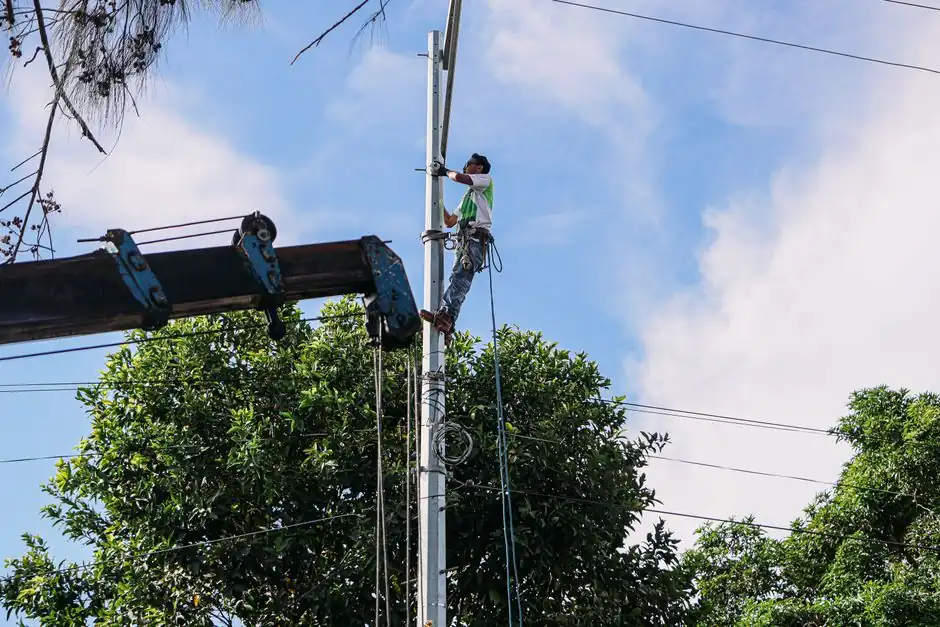
How we work locally
How gas line repair is executed in Day Miar
Challenge: Aging connectors, valves, and appliance hookups
Day Miar’s mid-era gas systems are full of components with finite lives: flexible connectors that fatigue, shutoff valves that seize from disuse, and hookups installed before current practices were standard. They fail quietly — a slow weep behind the dryer, a valve that won’t close.
Challenge: Buried yard lines in shifting clay
The buried gas lines feeding Day Miar’s grills, fire pits, and pool heaters live in expansive clay that heaves with every wet-dry cycle, and they share the yard with roots, irrigation, and landscaping projects. Joints and transitions take the stress, and damage often shows up far from where it started.
Where we work
Case files
Outdoor Living — Yard Line Leak at the Fire Pit
A homeowner noticed a strip of yellowing grass arcing across the backyard toward the fire pit, which had started burning unevenly. The buried gas line feeding it — installed years earlier during a patio project — ran through clay soil and under a section of new edging.
We called in utility locates, then pressure-tested the yard line in sections to isolate the leak to a joint near the patio transition. The damaged section was excavated by hand, renewed at proper depth with correct bedding, and the full run was tested before the fire pit was reconnected.
The grass recovered, the fire pit burned evenly again, and the homeowner got a marked map of the yard line’s route for future landscaping projects.
Kitchen Remodel — Reroute and Valve Renewal
During a kitchen renovation, a homeowner switching to a gas range learned the existing branch was undersized for the new appliance — and the shutoff valve behind the old cooktop hadn’t been operated in years and wouldn’t seal.
We ran a new properly sized branch from the manifold to the range location, replaced the seized valve with a current-pattern shutoff, added the sediment trap the old hookup lacked, and pressure-tested the new work along with the existing branches it tied into.
The remodel stayed on schedule, the range fired on first test, and the gas system behind the new kitchen was documented as tested and tight.
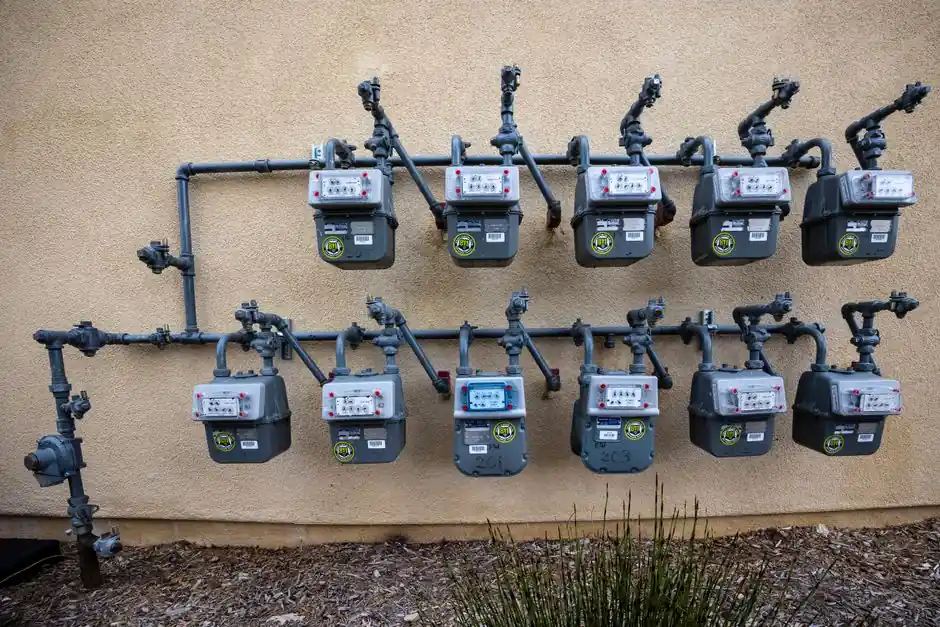
Field evidence from Day Miar
Gas line work in an established neighborhood
Day Miar rewards thoroughness over speed. The gas systems here are mid-life assemblies — original pipe, added branches, aging connectors — and the right move is almost always to test the whole system, fix what’s actually failing, and leave the sound parts alone. That discipline is what keeps a maintenance visit from becoming a surprise repipe, and it’s how we work every house-side system in the neighborhood, from the meter to the backyard.
Local questions
How long do residential gas lines last in a neighborhood like Day Miar?
The pipe itself — typically steel or copper-era installations in these homes — can serve for decades. It’s the components that set the maintenance clock: flexible connectors, shutoff valves, and exposed exterior sections wear faster than the pipe. Rather than watching the calendar, watch the system: periodic pressure testing and inspection catch the parts that are aging out.
I have a buried gas line running to my grill. What should I watch for?
Three things: dying grass tracing the line’s path, an appliance that burns unevenly or won’t stay lit, and any digging or landscaping near the route. Know where your yard line runs — we can help map it — and call Texas811 before any project breaks ground near it. If you suspect a leak, keep ignition sources away and have the line tested.
We’re remodeling the kitchen. Does the gas line need to change?
Often, yes — at least the final branch. A new gas range may need a larger line than the old cooktop, the shutoff location may need to move, and the hookup should include a sediment trap and an accessible, working valve. We size the run for the new appliance load and verify the existing system it ties into still holds pressure.
What affects the cost of gas line work in Day Miar?
Scope and access drive it: the length of the run, whether it’s interior or buried, how many appliances and valves are involved, and how accessible the work area is. Yard lines add excavation and restoration; remodel tie-ins add coordination with other trades. We test and inspect first, then lay out clear options before work begins — no surprises.
Safety & compliance
Trust and compliance
Gas piping work in Day Miar follows the fuel gas provisions of the codes adopted by the City of Mansfield, with the Texas Railroad Commission providing statewide natural gas safety oversight. We build every job to those requirements — and then prove the work with testing.
Areas we cover
Signs you need gas line repair in Day Miar
In an established neighborhood, gas trouble usually starts small — a connector weeping behind an appliance, a yard line complaining under the lawn. Catch these early and they stay small.
1. Rotten-egg odor inside or around the home
The sulfur-like odorant is added to odorless natural gas so leaks get noticed. If you smell it near an appliance, at the meter, or out in the yard along a buried line’s path, treat it as a leak until testing says otherwise.
2. Dead or yellowing grass tracing a buried line
A stripe of stressed vegetation arcing across the lawn — especially toward a grill, fire pit, or pool heater — is a classic sign of a yard-line leak. Gas displaces oxygen in the soil, and the grass shows it first.
3. Appliances burning unevenly or going out
A fire pit that won’t stay lit, a grill with weak spots, or a water heater that cycles oddly can signal a supply problem: a constricted connector, a failing valve, or a leak upstream bleeding off pressure.
4. Hissing near valves, connectors, or the meter
Escaping gas hisses. Check around appliance connectors, shutoff valves, and the meter assembly — the small components in a mid-life system are the likeliest sources, and they’re also the cheapest to fix when caught early.
5. Corrosion on exposed pipe or the riser
Meter risers and exterior runs take weather and soil contact year-round. Light surface rust is cosmetic; flaking, pitting, or thinning metal means the section is losing strength and should be evaluated.
6. A valve that sticks or won’t fully close
Shutoff valves that sit unused for years can seize — and a valve that won’t close isn’t a shutoff at all. If the valve behind your range, dryer, or water heater won’t operate smoothly, have it replaced before you need it.
Reliable gas line repair in Day Miar
From a weeping connector behind the dryer to a yard line feeding the fire pit, Day Miar’s gas systems do best with thorough diagnosis and honest repair. Call (817) 285-5071 — we’ll test the system, show you exactly what we find, and fix what’s actually wrong.
Request service