Gas line care for South Pointe’s newer homes, additions, and outdoor living.
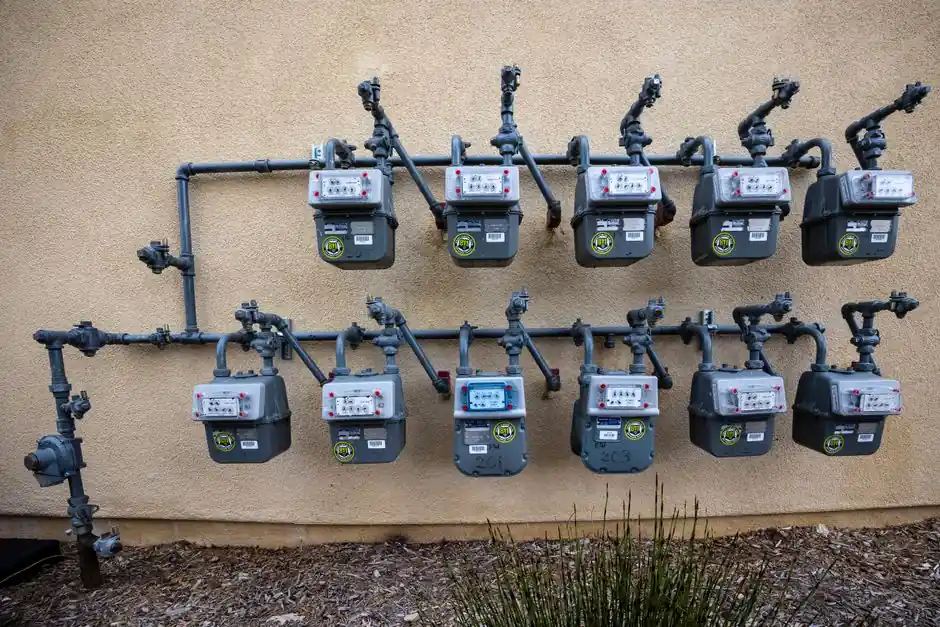
South Pointe rose as a planned community on Mansfield’s south side, with construction spanning the 2000s into the 2010s — an era of modern building practice. The homes here typically run on contemporary gas systems: corrugated stainless steel tubing (CSST) inside, polyethylene service lines underground, and meter sets placed along side yards. It is quality infrastructure for its time, and it was sized for the floor plans and appliance packages the builders originally drew.
But South Pointe families do not leave their homes the way the builder left them. Bonus rooms go up, kitchens get extended, and — most often — the backyard becomes a second living room. Outdoor kitchens with grills and side burners, gas fire pits, and patio heaters get tied into a trunk line that was sized for the house alone. When the indoor range weakens every time the outdoor grill fires up, that is the system telling you the load has outgrown the piping.
Outdoor living is the neighborhood’s defining gas project. Running gas to a fire pit or an outdoor kitchen means burying new lines across established, landscaped yards — past irrigation, drainage, and mature plantings. Those runs need proper depth and protection, accessible shutoff valves at every feature, and a pressure test before anything is connected. And before any trench is dug, the existing utilities have to be located: one call to 811 gets the lines marked so a backyard project does not turn into a gas emergency.
Then there is the soil. South Pointe sits on the same expansive North Texas clay as the rest of the metroplex — ground that swells when it rains and shrinks and cracks in drought, pushing and pulling on everything buried. Newer trenches from the neighborhood’s building years settle over time, and the seasonal cycle keeps working every buried joint and meter riser. A tilted meter assembly or soil pulling away from a riser after a storm is worth an inspection, even on a home built in the 2010s.
Our work in South Pointe covers the full range: electronic gas leak detection, pressure testing, upsizing trunk lines that additions have outgrown, new buried gas lines for outdoor kitchens and fire features, appliance hookups, and CSST inspections including bonding and protection checks. Every repair is pressure-tested before the system goes back into service, and every installation is planned around the fuel-gas code requirements that apply locally. Newer home or new addition — the goal is the same: a gas system sized for the life you actually live.